

Antarctic Krill Oil Supplier Guide for OEM Nutrition Brands
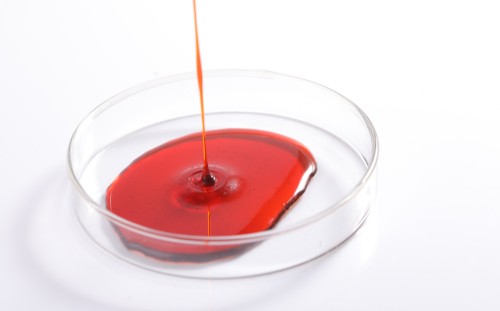
Antarctic Krill Oil has become a premium marine ingredient in the global nutrition and wellness market due to its unique phospholipid-bound Omega-3 structure, natural astaxanthin content, and strong consumer recognition.
For brands developing dietary supplements, functional foods, and health nutrition products, selecting the right Antarctic Krill Oil supplier is not only about ingredient price. Production technology, raw material traceability, nutritional specifications, quality control systems, and customization capability directly influence the final product performance.
Greenviki (Beijing) Biotechnology Co., Ltd. specializes in marine bioactive nutrition ingredients, with a dedicated R&D team involving Ph.D. and master’s degree researchers. The company operates an Antarctic Krill Oil production facility in Hunchun Border Economic Cooperation Zone, Jilin Province, with an annual production capacity of 400 tons.
What Is Antarctic Krill Oil and Why Is It Different from Fish Oil?
Antarctic Krill Oil is extracted from Antarctic krill (Euphausia superba), a small marine crustacean harvested from the clean waters surrounding Antarctica.
Unlike conventional fish oil, where Omega-3 fatty acids are mainly present in triglyceride form, Antarctic Krill Oil contains phospholipid-bound EPA and DHA.
This molecular structure allows Omega-3 fatty acids to integrate more naturally with biological membranes.
Key characteristics include:
| Feature | Antarctic Krill Oil | Traditional Fish Oil |
|---|---|---|
| Omega-3 form | Phospholipid-bound EPA & DHA | Mainly triglyceride or ethyl ester |
| Natural antioxidant | Contains astaxanthin | Usually requires added antioxidants |
| Absorption mechanism | Phospholipid structure supports cellular uptake | Depends on digestion and formulation |
| Appearance | Natural red color | Usually yellow to light orange |
For premium nutrition products, phospholipid content is often considered a key specification when evaluating Antarctic Krill Oil quality.
How Is High-Quality Antarctic Krill Oil Manufactured?
The production process directly affects nutritional activity, oxidation stability, and final application performance.
A reliable manufacturing workflow generally includes:
1. Traceable Antarctic Krill Raw Material Selection
High-quality suppliers begin with controlled raw material sourcing.
Antarctic krill should come from regulated fishing areas with complete traceability records, including harvesting location, processing information, and batch identification.
Traceability helps manufacturers maintain consistent quality for large-scale supplement production.
2. Low-Temperature Extraction Technology
Because Omega-3 fatty acids and astaxanthin are sensitive to heat and oxidation, extraction conditions require careful management.
Advanced low-temperature extraction methods or supercritical CO₂ extraction technology can help preserve bioactive compounds.
Important process considerations include:
- Temperature control
- Oxidation prevention
- Solvent residue management
- Nutrient retention
3. Quality Testing and Batch Control
Commercial Antarctic Krill Oil production requires systematic quality evaluation.
Typical testing items include:
- EPA and DHA content analysis
- Total phospholipid percentage
- Astaxanthin concentration
- Oxidation indicators
- Heavy metal testing
- Microbiological testing
For international markets, suppliers may also need documentation supporting regulatory compliance and customer-specific requirements.
Which Antarctic Krill Oil Specifications Should Buyers Evaluate?
When sourcing Antarctic Krill Oil for supplements or functional foods, buyers usually evaluate several technical parameters.
Phospholipid Content
Phospholipid concentration is one of the most important quality indicators.
Common commercial grades include:
- 40% phospholipid
- 45% phospholipid
- 50% phospholipid
- 56% phospholipid
- 60% phospholipid
Higher phospholipid grades are often selected for premium formulations where ingredient positioning focuses on advanced nutrition.
Omega-3 Content
Typical Antarctic Krill Oil specifications include:
- Total phospholipid-bound Omega-3: approximately 300–500 mg
- EPA content: approximately 60–150 mg
- DHA content: approximately 30–90 mg
Actual values depend on formulation requirements and product grade.
Natural Astaxanthin
Astaxanthin provides Antarctic Krill Oil with its characteristic deep red color.
It also contributes antioxidant properties that help protect marine oils from oxidation.
Typical levels may range from approximately 40 μg to 1,600 μg depending on grade selection.
Applications of Antarctic Krill Oil in Nutrition Products
Antarctic Krill Oil is widely used in premium health products because it combines Omega-3 nutrition with additional marine bioactive compounds.
Common applications include:
Softgel Capsules
Soft capsules remain one of the most common delivery formats.
They allow controlled dosage, easy consumption, and compatibility with private-label supplement brands.
Functional Gummies
Consumer demand for convenient nutrition formats has increased interest in krill oil gummies.
However, gummy development requires careful consideration of:
- Flavor masking
- Oil dispersion technology
- Oxidation protection
- Stability during storage
Nutritional Blends
Antarctic Krill Oil can also be combined with other functional ingredients for specialized formulas targeting:
- Daily nutritional support
- Active lifestyle consumers
- Premium wellness products
How to Choose an Antarctic Krill Oil Supplier for OEM Production?
For brands developing new nutrition products, supplier evaluation should focus on manufacturing capability rather than only ingredient quotation.
Important evaluation points include:
| Evaluation Area | Key Questions |
|---|---|
| Raw material traceability | Can each batch be traced back to the source? |
| Production capacity | Can the supplier support long-term volume requirements? |
| Specification range | Are different phospholipid grades available? |
| Quality system | Are testing reports and batch documents available? |
| Customization | Can the supplier support OEM formulation requirements? |
| Packaging options | Are bulk and finished product solutions available? |
For large-volume production, supply stability becomes especially important.
A supplier with established production lines can reduce risks related to inconsistent specifications, delayed delivery, or formulation changes.
Greenviki Antarctic Krill Oil Manufacturing Capability
Greenviki (Beijing) Biotechnology Co., Ltd. has developed expertise in marine biotechnology and nutritional health ingredients.
The company’s Antarctic Krill Oil project was included as a “Three-Early” project in Jilin Province during 2018 and 2019, supporting the development of a high-tech marine nutrition industry.
Its manufacturing advantages include:
- Annual Antarctic Krill Oil production capacity of 400 tons
- Professional R&D team with more than 10 Ph.D. and master’s degree researchers
- Cooperation experience with scientific institutions including the Dalian Institute of Chemical Physics, Chinese Academy of Sciences and Dalian University of Technology
- Automated production capability for krill oil gummies and soft capsules
For OEM and private-label nutrition brands, this production foundation supports flexible product development from raw material supply to finished formulations.
What Should Brands Prepare Before Requesting Antarctic Krill Oil Samples?
Before starting supplier discussions, buyers should define several product requirements.
A practical evaluation workflow includes:
- Confirm target product format
- Softgel
- Capsule
- Powder blend
- Functional gummy
- Define nutritional specifications
- Phospholipid percentage
- EPA/DHA requirement
- Astaxanthin level
- Review compliance requirements
- Target market regulations
- Testing documents
- Ingredient approval requirements
- Conduct sample evaluation
- Appearance
- Odor
- Stability
- Application compatibility
Clear specifications help suppliers recommend suitable grades and reduce development cycles.
4. FAQ
What makes Antarctic Krill Oil different from regular fish oil?
Antarctic Krill Oil contains phospholipid-bound EPA and DHA, while many fish oils mainly contain triglyceride-form Omega-3. The phospholipid structure provides a different nutritional delivery mechanism and is a key reason it is positioned as a premium marine ingredient.
What phospholipid percentage is suitable for premium supplements?
The suitable phospholipid level depends on the product positioning and formula requirements. Commercial grades commonly range from 40% to 60%. Premium supplements often evaluate higher phospholipid specifications when targeting advanced nutrition markets.
Can Antarctic Krill Oil be used for OEM gummy production?
Yes. Antarctic Krill Oil can be developed into gummy products, but manufacturers need to consider flavor management, oil dispersion, oxidation protection, and storage stability during formulation development.
How can buyers evaluate Antarctic Krill Oil suppliers?
Buyers should review raw material traceability, production capacity, quality testing procedures, specification consistency, customization capability, and documentation support before selecting a supplier.
What is the typical lead time for Antarctic Krill Oil OEM projects?
Lead time depends on product format, formulation complexity, packaging requirements, and testing procedures. Bulk ingredient projects usually require less development time than customized finished products.
Does Antarctic Krill Oil require special storage conditions?
Because marine oils are sensitive to oxidation, proper packaging and controlled storage conditions are important. Suppliers typically recommend protection from heat, light, and excessive exposure to oxygen.