


Plant Extracts and Pigments Supplier for Food, Cosmetic & Health Products
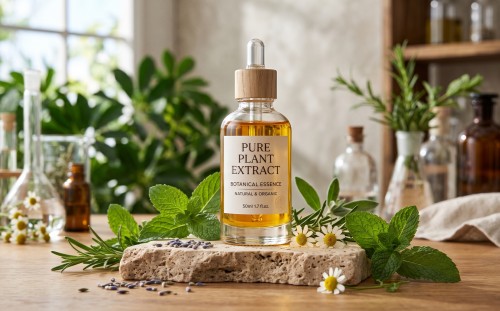
The global demand for natural ingredients continues to expand as consumers increasingly prefer clean-label products, plant-based nutrition, and sustainable solutions. Plant extracts and natural pigments have become essential raw materials for dietary supplements, functional foods, beverages, cosmetics, and pharmaceutical formulations.
For manufacturers, selecting a botanical ingredient supplier requires more than checking product availability. Consistent active compounds, traceable raw materials, extraction technology, regulatory documentation, and customization capability directly affect product quality and market competitiveness.
A professional plant extract supplier should provide stable ingredients, reliable quality control, and technical support throughout product development.
What Are Plant Extracts and Natural Pigments?
Plant extracts are concentrated botanical ingredients produced by extracting functional compounds from plants through controlled processing technologies.
Depending on the target compounds and application requirements, extraction methods may include:
- Water extraction
- Ethanol extraction
- Supercritical CO₂ extraction
- Enzymatic extraction
- Advanced purification processes
Natural pigments are plant-derived color compounds used to provide visual appeal while supporting clean-label product positioning.
Common botanical active ingredients include:
| Ingredient Category | Examples | Main Applications |
|---|---|---|
| Polyphenol Extracts | Resveratrol, Green Tea Extract | Antioxidant supplements, functional foods |
| Plant Pigments | Anthocyanins, Curcumin | Natural coloring, beverages, cosmetics |
| Herbal Extracts | Centella Asiatica, Ganoderma | Wellness products, skincare |
| Functional Compounds | Artemisinin, plant-derived actives | Pharmaceutical research |
The value of plant extracts depends on active compound concentration, purity, stability, and application compatibility.
How Are High-Quality Plant Extracts Manufactured?
Professional botanical ingredient production requires control from cultivation to final powder or solution.
1. Botanical Raw Material Selection
Reliable production begins with controlled plant sourcing.
Important factors include:
- Geographic growing conditions
- Plant variety selection
- Harvest timing
- Agricultural practices
- Traceability systems
Cooperative cultivation bases help manufacturers maintain consistent raw material quality.
For large-volume commercial production, variations in climate and harvesting conditions can influence active ingredient levels.
2. Extraction and Purification Technology
The extraction process determines the final ingredient profile.
Different compounds require different processing approaches.
Examples:
- Polyphenols often require controlled solvent extraction.
- Heat-sensitive compounds may require low-temperature processing.
- Oil-soluble compounds may require specialized extraction systems.
Manufacturing parameters commonly evaluated include:
- Extraction efficiency
- Active compound retention
- Solubility
- Color stability
- Batch consistency
Advanced purification technologies allow suppliers to provide standardized extracts with defined active ingredient ratios.
3. Quality Testing and Standardization
International buyers usually require detailed quality documentation.
Typical quality control procedures include:
- HPLC analysis
- GC-MS testing
- Heavy metal detection
- Pesticide residue analysis
- Microbiological testing
A standardized extract should clearly define:
- Botanical source
- Extraction ratio
- Active compound percentage
- Physical form
- Storage conditions
Key Applications of Plant Extracts and Pigments
Dietary Supplements and Nutraceutical Products
Plant extracts are widely used in dietary supplements because they provide concentrated botanical compounds.
Common applications include:
- Capsules
- Tablets
- Powder blends
- Functional nutrition formulas
Popular ingredients include:
- Green Tea Extract
- Resveratrol
- Curcumin
- Ganoderma Polysaccharides
Supplement manufacturers often evaluate extraction concentration, bioavailability, and formulation compatibility.
Functional Food and Beverage Applications
Natural plant ingredients are increasingly replacing synthetic additives in food and beverage products.
Applications include:
- Natural coloring solutions
- Functional drinks
- Nutrition powders
- Health-focused snacks
Natural pigments provide visual enhancement while supporting clean-label marketing.
Important considerations include:
- pH stability
- Heat resistance
- Light stability
- Solubility
For beverage manufacturers, water-soluble plant extracts are often preferred for easier processing.
Cosmetic and Personal Care Formulations
Plant extracts are widely used in skincare and beauty products.
Common botanical ingredients include:
- Centella Asiatica Extract
- Green Tea Extract
- Curcumin-based ingredients
Cosmetic developers typically evaluate:
- Purity
- Skin compatibility
- Stability
- Active compound concentration
Customized botanical blends can help brands develop differentiated formulations.
How to Choose a Plant Extract Supplier for OEM Projects?
For companies developing botanical products, supplier selection should focus on manufacturing capability and technical support.
1. Check Quality Management Systems
Professional suppliers should have quality systems supporting international markets.
Important certifications and documentation may include:
- ISO quality management systems
- GMP production standards
- HALAL certification
- KOSHER certification
- Certificate of Analysis (COA)
Certification requirements depend on the destination market and application.
2. Evaluate Product Customization Capability
Different brands often require different ingredient specifications.
A capable supplier should support:
- Customized active compound ratios
- Different powder mesh sizes
- Micronization
- Water-soluble modification
- Custom botanical blends
For example, a beverage company may require high-solubility extracts, while a capsule manufacturer may prioritize concentrated powder extracts.
3. Consider Supply Chain Stability
Long-term ingredient supply depends on:
- Raw material availability
- Production capacity
- Inventory management
- Export experience
For international projects, stable logistics and documentation support reduce supply risks.
Plant Extract Processing Forms and Custom Solutions
Professional botanical suppliers typically provide multiple product formats.
Common options include:
| Product Form | Characteristics | Typical Applications |
|---|---|---|
| Fine Powder Extract | Easy storage and transportation | Capsules, tablets, powders |
| Standardized Extract | Controlled active content | Supplements, functional products |
| Oil Solution | Suitable for oil-based formulas | Cosmetics, nutrition oils |
| Water-Soluble Extract | Easy dispersion | Beverages, liquid products |
| Custom Blend | Designed formulas | OEM products |
Selecting the correct format helps improve formulation efficiency and product stability.
Greenviki Plant Extracts and Pigments Supply Capability
Greenviki (Beijing) Biotechnology Co., Ltd. specializes in natural ingredient development, production, and global supply.
The company provides botanical raw materials for:
- Nutraceutical products
- Functional foods
- Beverages
- Cosmetics
- Pharmaceutical-related applications
Its capabilities include:
- Integrated botanical supply chain management
- Customized OEM/ODM solutions
- Standardized extracts
- Natural pigments
- Powder and liquid processing options
The company focuses on delivering consistent botanical ingredients through controlled sourcing, advanced extraction technology, and comprehensive quality management.
For brands developing innovative natural products, a reliable plant extract partner can support the transition from concept development to commercial production.
4. FAQ
What are plant extracts mainly used for?
Plant extracts are widely used in dietary supplements, functional foods, beverages, cosmetics, and pharmaceutical-related products. They provide concentrated botanical compounds with specific functional properties.
What is the difference between standardized extracts and regular plant powders?
Standardized extracts contain controlled levels of specific active compounds, while ordinary plant powders may have more variation in active ingredient concentration.
How do buyers evaluate plant extract quality?
Buyers typically review botanical source, extraction method, active compound content, testing reports, certifications, and batch consistency.
Can plant extracts be customized for OEM products?
Yes. Suppliers can provide customized specifications, extraction ratios, powder forms, solubility improvements, and botanical blends according to product requirements.
Are natural pigments suitable for beverages?
Many natural pigments can be used in beverages, but manufacturers should evaluate factors such as pH stability, heat resistance, light sensitivity, and solubility.
What certifications are commonly required for plant extracts?
Depending on the market, buyers may request ISO, GMP, HALAL, KOSHER, COA, and other quality documentation.